Welcome back to the DePIN Hub Newsletter, your favorite 2D news and research source — for now 👀
GM, DePIN Hub fam!
Today, we’re helping you uncover your next big opportunity in the spatial computing gold rush — one of the sectors we predicted would shape DePIN this 2025 in our last newsletter. 🗞
And interestingly, research reveals how the collision of DePIN and XR could create massive opportunities for early movers like you and us. 🎯
🔍 Inside this must-read post:
- Why XR is one of DePIN's biggest breakthrough yet
- 3 ways to get involved before mainstream adoption
- Real earning opportunities in the XR infrastructure space
- What early movers should watch for
This issue is brought to you in partnership with…
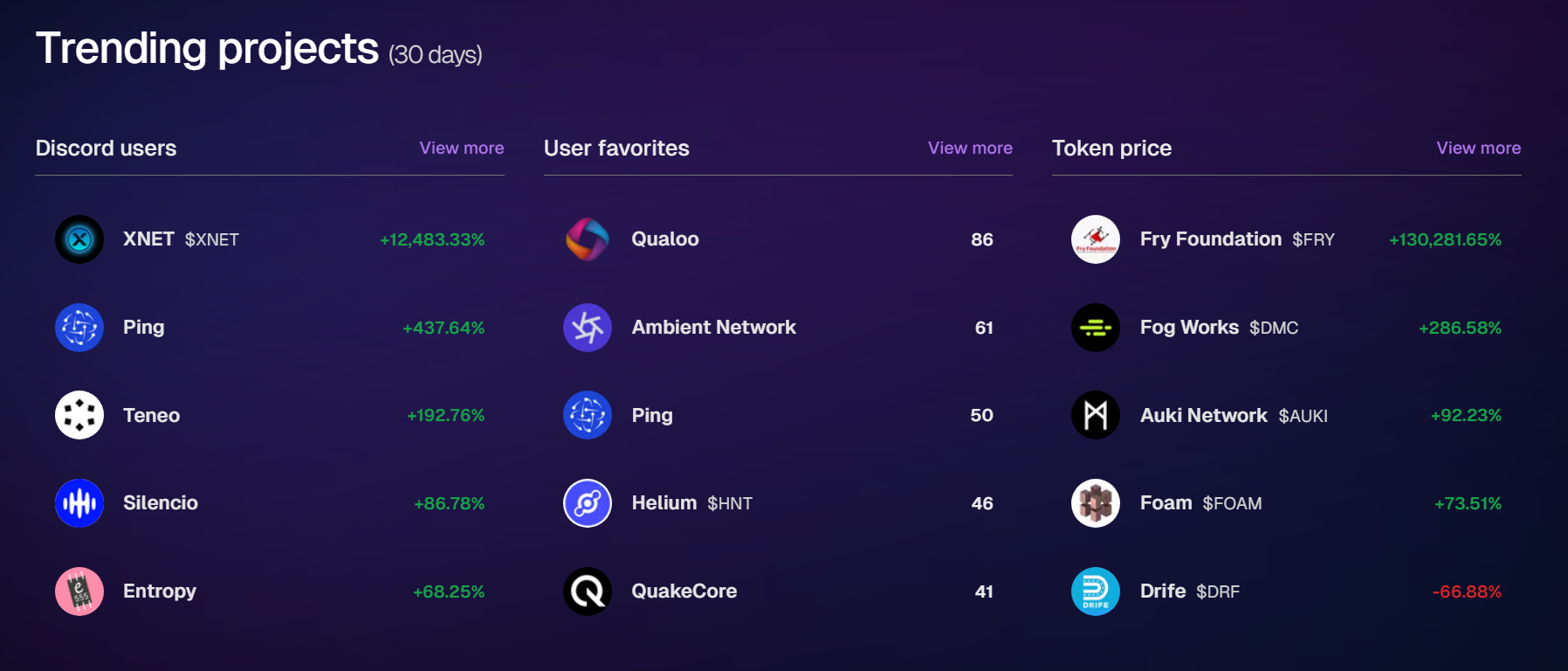
DePIN Hub Leaderboards 🏅
In the News 📰
🔔 Google unveils Android XR as spatial computing OS to challenge Meta and Apple in XR sector
🔔 Chirp Partners with netzbest GmbH for Large-Scale IoT Deployment
🔔 World Mobile Network and Tenity Launch $25M Grant Program for Decentralized Innovation
DePIN made radically simple! 😌
Spotlighting the sponsor for this week’s newsletter: hivello!
Our buddies at hivello are preparing for its TGE (Token Generation Event) this week. 🚀
The $HVLO token powers Hivello’s ecosystem, enabling rewards, staking, and easy participation in DePIN networks. It’s designed to drive adoption and deliver value for users and businesses alike.
- Learn more about their TGE on their website 🌍💡
- Or learn about their airdrop—an exciting way to earn $HVLO tokens!
Feature
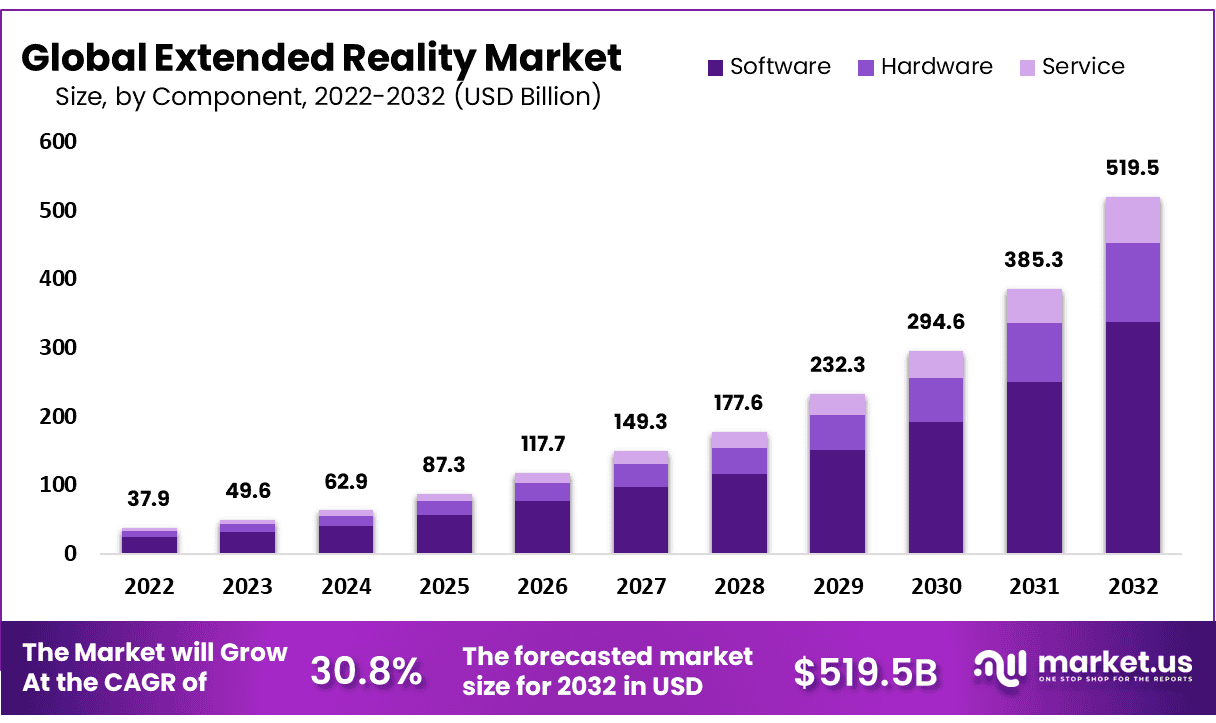
3 Ways DePIN Can Supercharge the $102.5B Industry of Extended Reality (XR) 🚀
TL;DR: We did the research. XR is about to change everything in the coming years. But there's a catch — it needs serious computing power to work.
We’re breaking down how DePIN could make XR accessible and amazing for everyone (and yes, there might be some exciting opportunities in it for you too! 😉) 💡
First off: the ‘what’ and the ‘why’
What is XR?
Extended Reality (XR) pertains to the spectrum of immersive technologies that blend digital content with our physical world, from AR applications and VR environments to the emerging wave of spatial computing.
While most of us are familiar with basic AR implementations like Pokémon GO or Tiktok filters, the next generation of XR promises to fundamentally transform how we interact with data, spaces, and each other.
The stakes are massive. According to Grand View Research's latest report, the spatial computing market hit $102.5B in 2022, with hardware devices accounting for over 65% of the market.
This isn't just about gaming or entertainment anymore — we're seeing adoption across healthcare (10% market share), education, architecture, and more.
⭐ Key stat: The Asia Pacific region is leading this growth, with an expected CAGR of 22% through 2030, driven by rapid smart device adoption in countries like China, India, and South Korea.
(Source: Grand View)
Why do we believe that DePIN is the key to supercharging XR?
High-quality XR experiences demand massive GPU power for real-time rendering and processing — the kind that would typically require expensive hardware or prohibitively costly cloud services.
DePIN networks can tap into a vast pool of distributed GPU resources, making this computing power accessible through a decentralized marketplace.
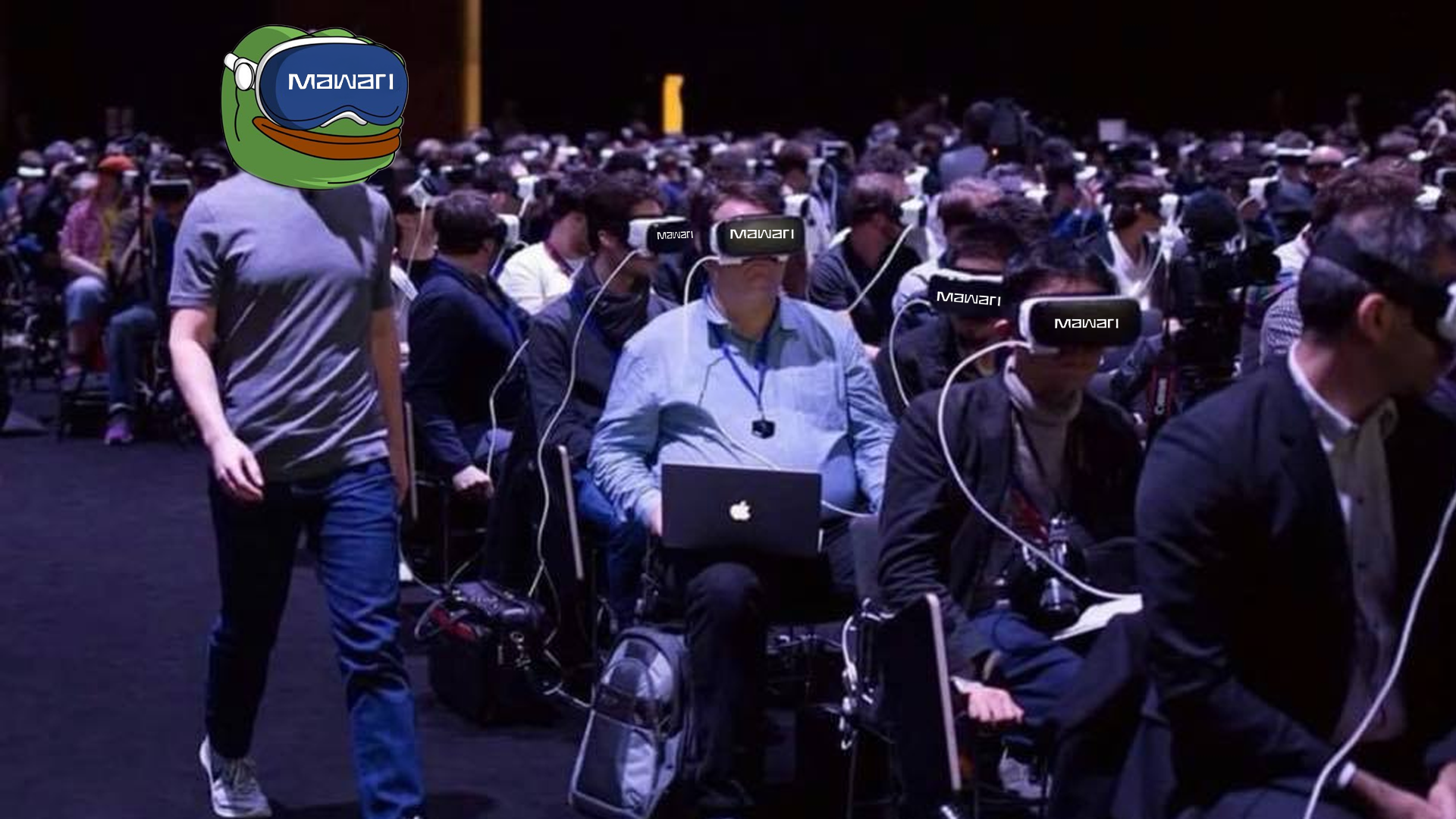
💡 Did you know? DePINs like Mawari help by power spatial computing experiences by bringing high-performance computing closer to users through a distributed network of nodes. This means smoother, faster XR experiences without the massive infrastructure costs that usually come with edge computing.
The traditional way’s like trying to run a city's worth of traffic through a single street.
Something's gotta give. 🤔
3 game-changing ways DePIN will transform XR 💫
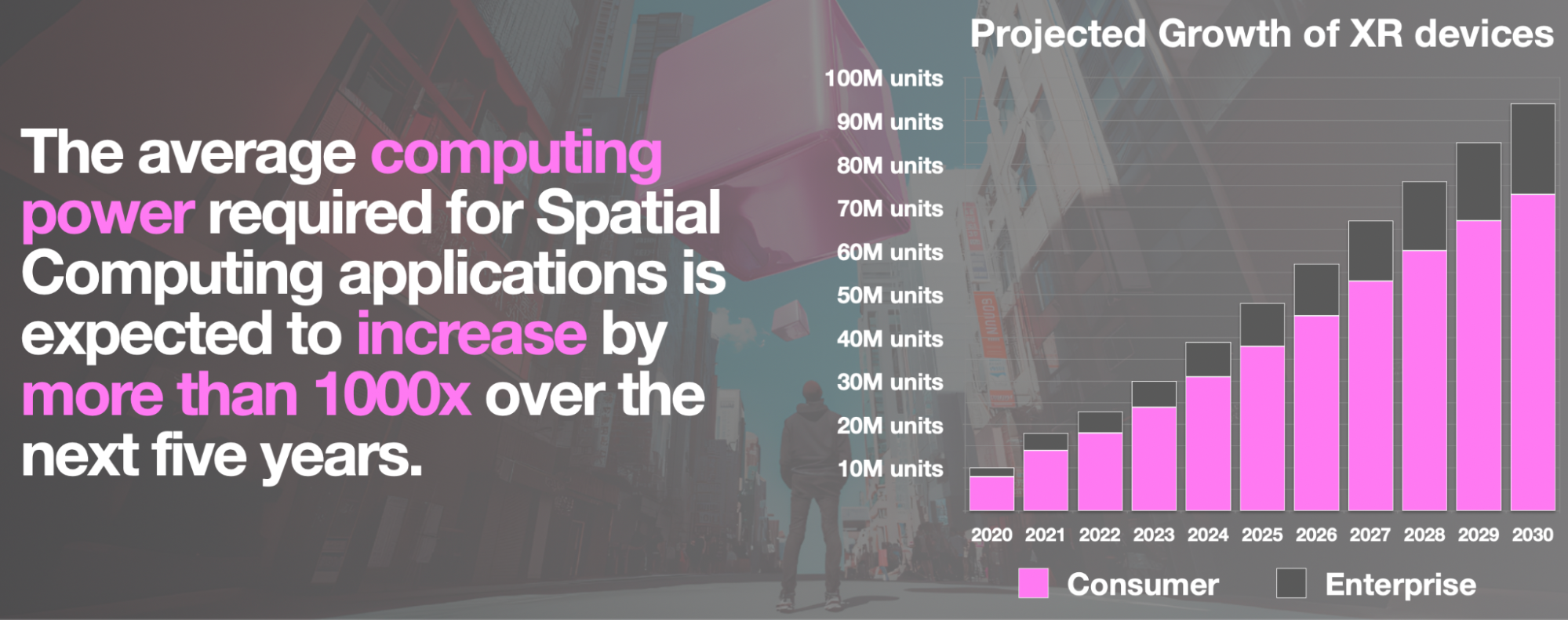
1. Democratizing High-Performance Computing
The hardware challenge is significant.
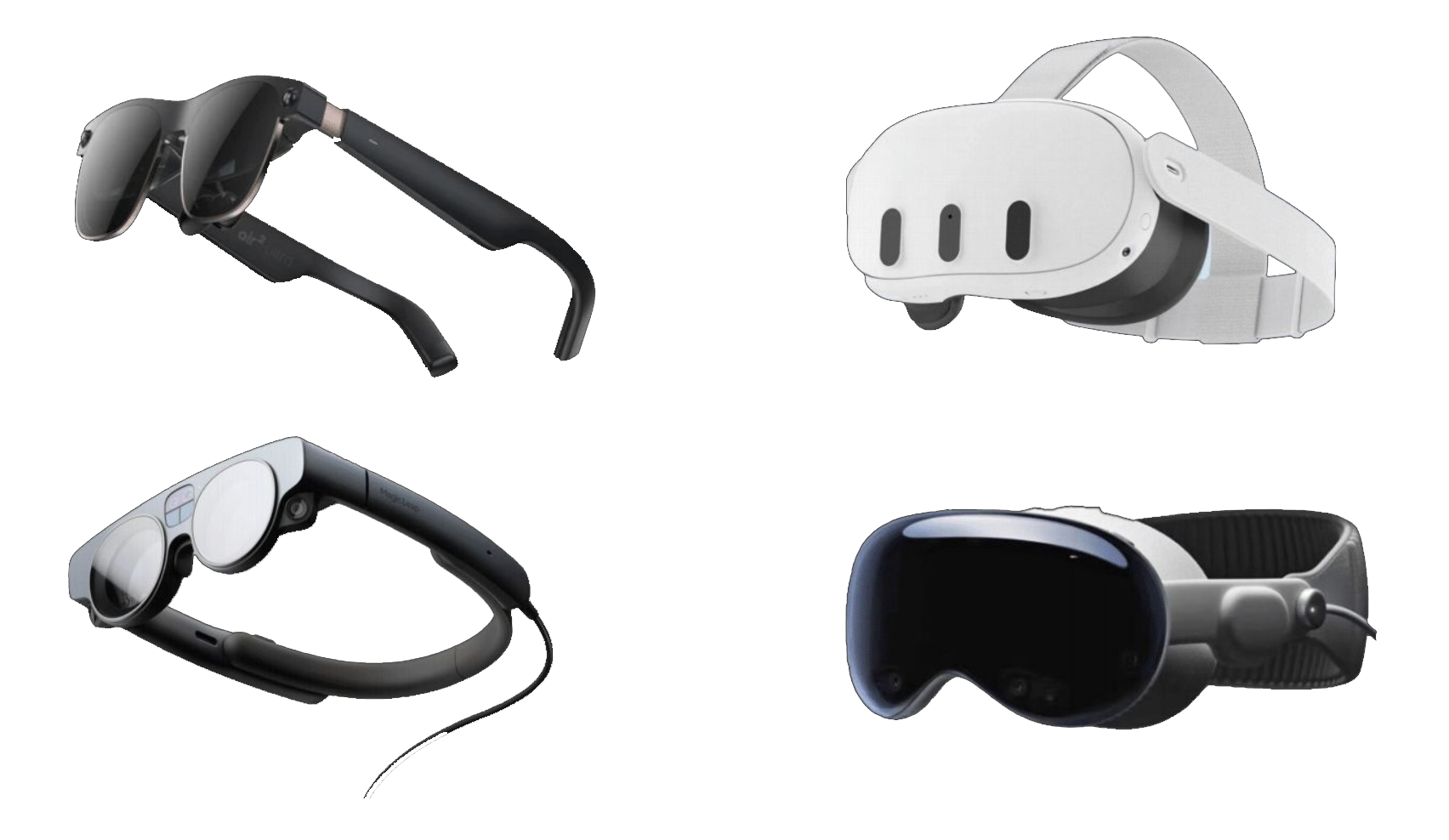
According to Grand View Research, hardware devices currently dominate 65% of the spatial computing market. While giants like Apple can develop custom solutions (like the M2 + R1 chip combination), most developers and users need more accessible options.
This is where DePIN networks can make a difference, distributing computing power across a network of contributors. This means:
- Processing happens closer to where you are (tech folks call this "edge computing")
- Lower costs through shared resources
- Better performance for everyone
⭐ Key stat: DePIN projects like Mawari have demonstrated up to 50% reduction in latency using distributed edge computing networks compared to traditional cloud services.
Real-world impact? Imagine playing Beat Saber without any lag, or having your AR navigation arrows appear instantly as you walk through a city.
2. Enabling Next-Gen XR Experiences
Industries from healthcare to architecture and education are already adopting XR solutions. Healthcare professionals are using it for surgical training and planning, while architects are leveraging it for immersive design reviews. DePIN could accelerate this adoption by making the necessary computing power more accessible and affordable.
With DePIN-powered XR:
- Virtual try-ons at Zara could show exactly how fabrics move and drape
- Surgical training simulations could be indistinguishable from reality
- Virtual concerts (like Travis Scott's famous Fortnite event) could feel truly immersive
3. Building a More Accessible XR Future
With the market expected to reach $469.8B by 2030 (Grand View Research), the opportunity for democratization is massive. The Asia Pacific region's 22% growth rate shows the huge appetite for accessible XR solutions, particularly in emerging markets.
Here's where DePIN really shines. By spreading infrastructure costs across a network of contributors, we're democratizing access to spatial computing.
⭐ Key stat: Over 13 million devices globally already contribute to DePIN networks daily, laying the groundwork for accessible XR applications.
What this means for you 👆
Look, we get it — all this talk about compute power and infrastructure might sound a bit technical. But here's what it really means for you:
Imagine...
- Being part of a market that's growing at 20.4% annually through 2030
- Getting involved in technology that's transforming everything from healthcare to education
- Participating in the infrastructure that powers the next generation of computing
The foundation is being built as we speak. Major players like Apple, Microsoft, Google, and Magic Leap are all investing heavily in this space. But unlike previous tech revolutions, DePIN means you don't have to be a tech giant to participate.
The foundation is being built as we speak. Major players like Apple, Microsoft, Google, and Magic Leap are all investing heavily in this space. But unlike previous tech revolutions, DePIN means you don't have to be a tech giant to participate.
Just like early investors in cloud storage or video streaming platforms, there's an opportunity to be part of this revolution.
Until next time, keep exploring! ⚡
DePIN Hub Podcast 🎙️
💡 YOM is building a decentralized cloud gaming infrastructure, offering scalable game streaming.
🎧 Listen to our podcast with YOM
💡 Tashi Protocol is known as the ‘Forever Game’ Protocol, aiming to enhance the longevity and resilience of games through its DePIN ecosystem.
🎧 Listen to our podcast with Tashi Protocol
Parting Words 👋

The pores… it’s like he’s really here, mom! 🤯
Share the Love 💌
Enjoyed this newsletter? Please share.
You can send your friends (or enemies, we don't discriminate 🧑🤝🧑) our way and spread the gospel of DePIN. You'll earn Hotspotty Points, which make you eligible for a bunch of cool things we'll announce soon…